
The reintroduction of civics is aimed at helping students understand how the branches of government, the Executive, Legislature, and Judiciary, function under the Constitution, the roles of national and local government institutions, as well as their rights, responsibilities, and the processes through which citizens participate in the governance of their country.
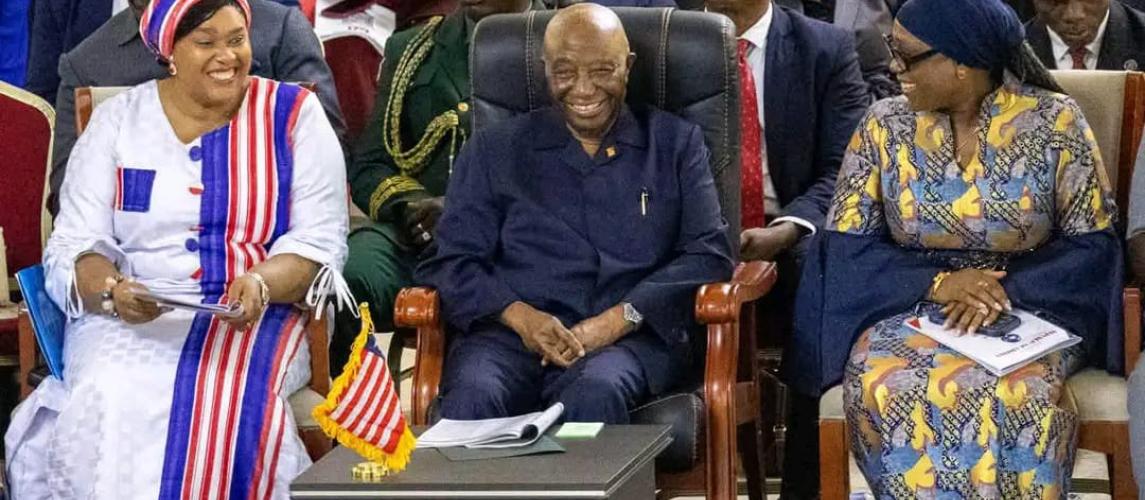
Speaking during the 179th National Flag Day celebration under the theme “From Heritage to Hope: The Flag That Unites Us,” President Joseph Nyuma Boakai welcomed the initiative, describing civic education as essential to preparing children for the responsibilities they will assume as future voters, parents, workers, community leaders, entrepreneurs, and public servants.
“The Republic we hope to build tomorrow is already sitting in our classrooms today,” President Boakai said, stressing that children must be prepared not only with academic knowledge but also with integrity, responsibility, respect for the law, and concern for the common good.
The President stressed that civic education must translate knowledge into responsible action. “Knowing is not the same as doing,” he said, urging students to understand and live by the National Pledge through respect for fellow citizens, obedience to the law, rejection of violence, protection of national symbols, hard work, and service to country.
President Boakai also challenged parents, teachers, communities, institutions, and public officials to model responsible citizenship, noting that children learn as much from the conduct of adults as they do from textbooks.
The Liberian Chief Executive linked the return of civics to his broader call to “Think Liberia, Love Liberia, and Build Liberia,” saying the initiative will help prepare a generation capable of understanding Liberia’s heritage, accepting the responsibilities of citizenship, and building a stronger future for the country.
Officially announcing the reintroduction and launch of civics textbooks, the Minister of Education, Dr. Jarso Maley Jallah, on behalf of Government, asserted that the initiative represents an important investment in building responsible citizens, emphasizing that while literacy and numeracy remain fundamental, students must also develop the civic knowledge and values required to participate meaningfully in national life.
The education minister further stressed the role of teachers and school administrators in making civics practical by encouraging students to ask questions, discuss issues, solve problems collectively, and connect classroom lessons to their schools and communities.
